

Austin School of Furniture Foundation 501(c)(3) Non-Profit Corporation

$1,300.00
February 15th to 21th, 2027
Decode the Loretto Chapel’s “Miracle Staircase” in this 7-day hands-on woodworking course. Learn traditional stair stereotomy, 3D stringer carving, and hooked joinery with Patrick Moore.
See Details and Tool List Below
In stock
| Format | In-Person Class |
|---|---|
| Furniture Type | Design, Joinery |
| Skill Level | Beginner, Intermediate |
| Time Frame | Weekdays – Daytime |
Name: De-Coding the Loretto Mystery “The Miracle Staircase”
Mastering the Carved-Newel Stringer: From Classical Stereotomy to the Loretto Staircase
Instructor: Patrick Moore
Skill Level: Intermediate
Prerequisites: Some power tool, hand tool, and drafting experience encouraged. Please reach out if you have any questions regarding prerequisites.
Format: 7-Day in-person course
Date: February 15th to 21st, 2027
Class Description:
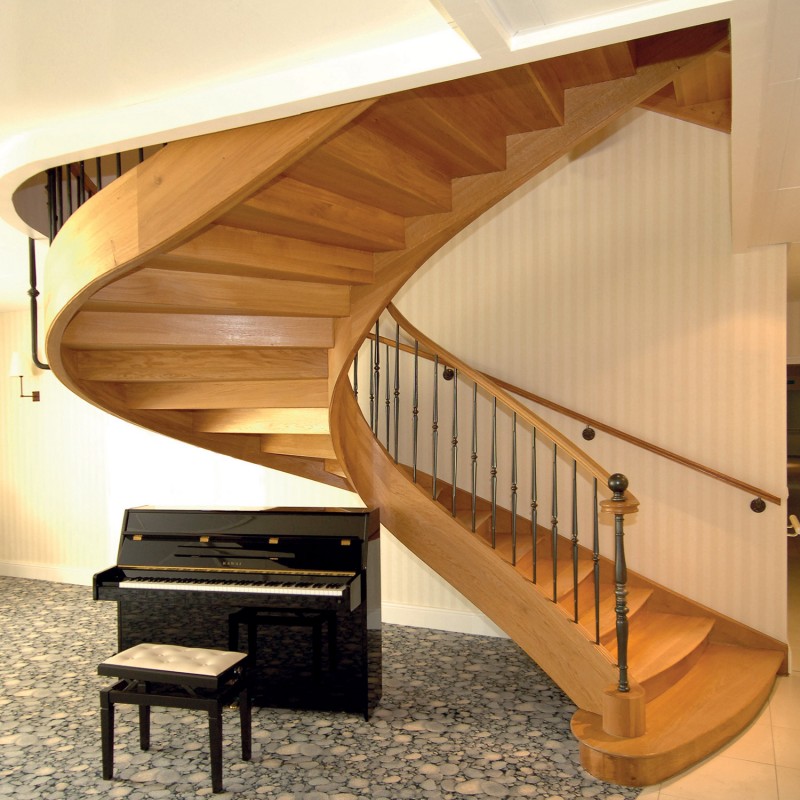
For over a century, visitors to the Loretto Chapel in Santa Fe, New Mexico, have marveled at its famous 1878 “Miraculous Staircase”- a 20-foot spiral that completes two full 360-degree turns with no central column, no wall support, and invisible structural joinery. While legend calls it a mystery, master carpenters and stair builders know it as a triumph of wood stereotomy (stéréotomie du bois) and structural stringer design. The secret to making a staircase float without vertical posts lies in the strength and precision of the inner and outer curved stringers acting as interconnected helical arches.
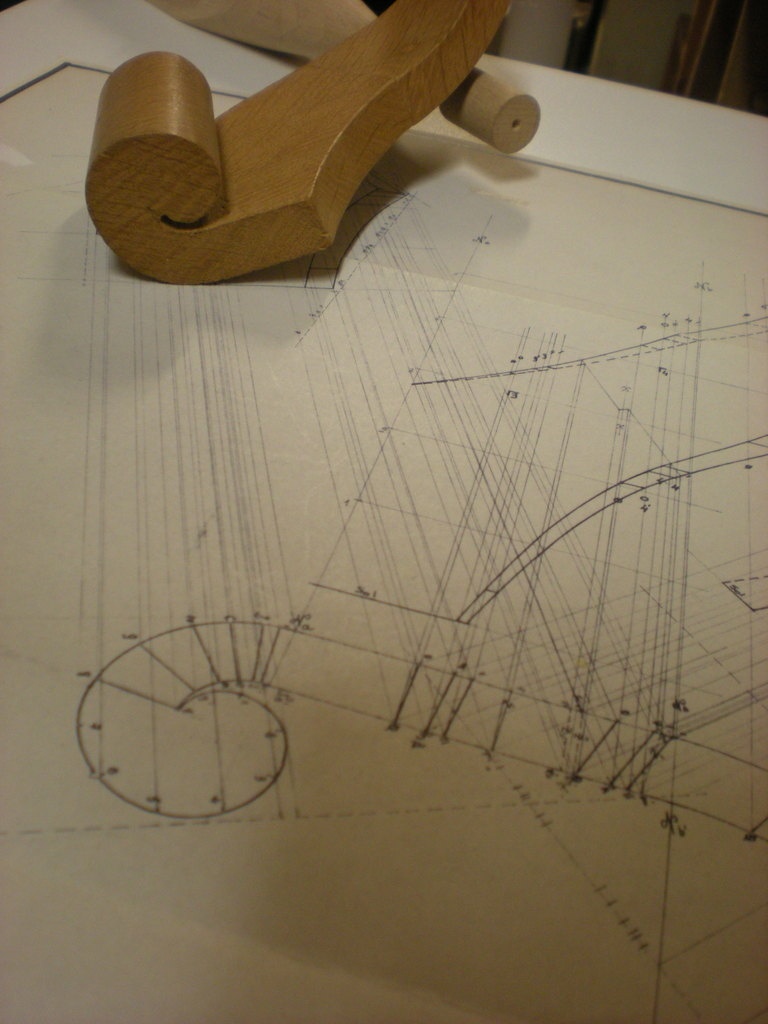
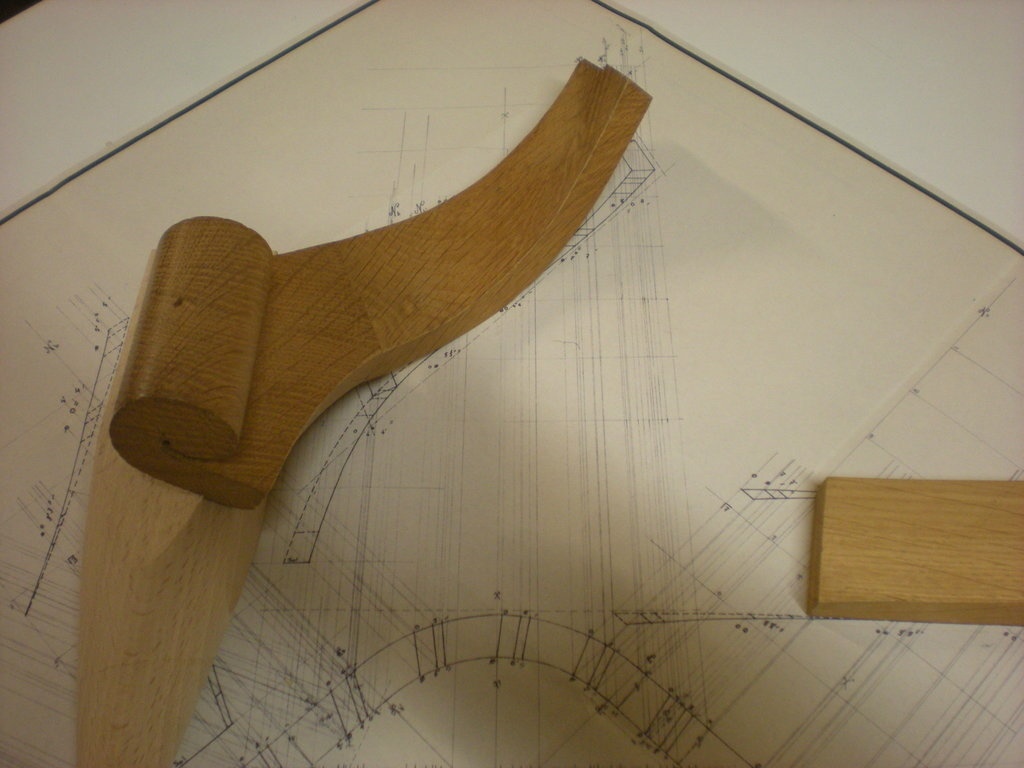
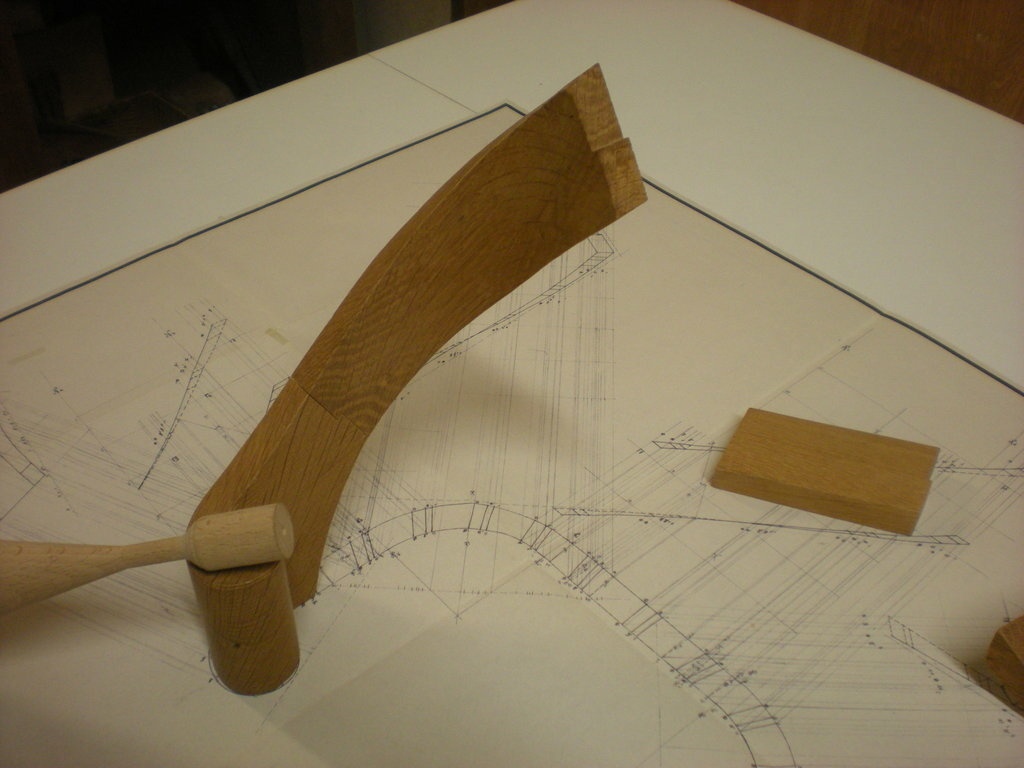
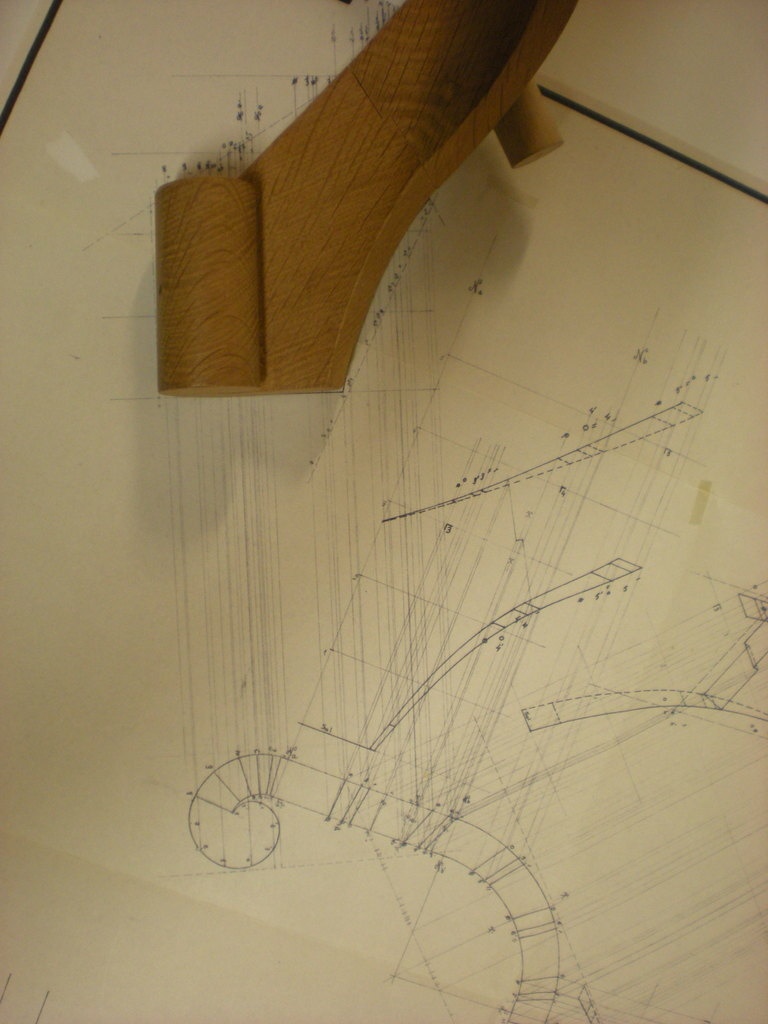
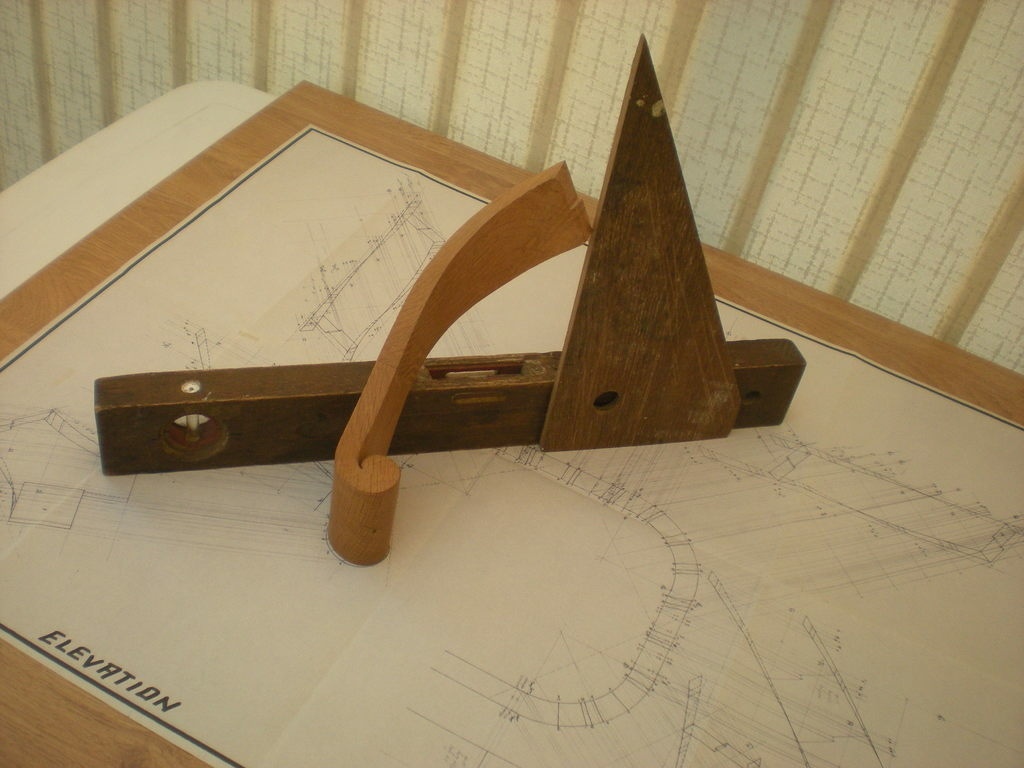
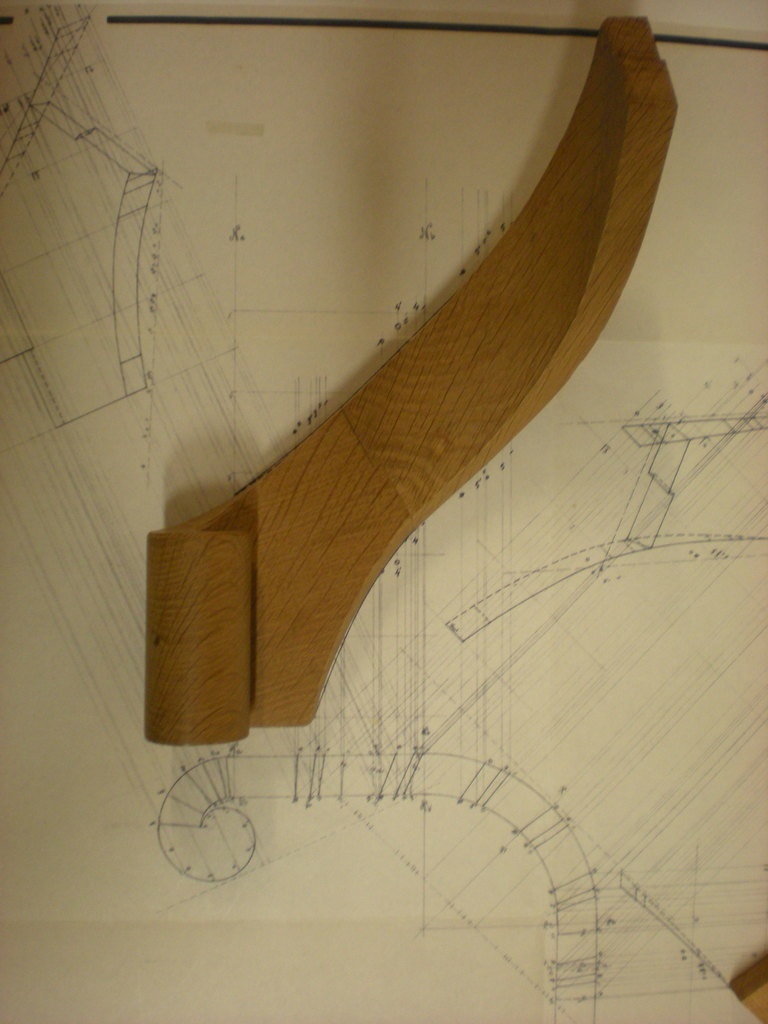
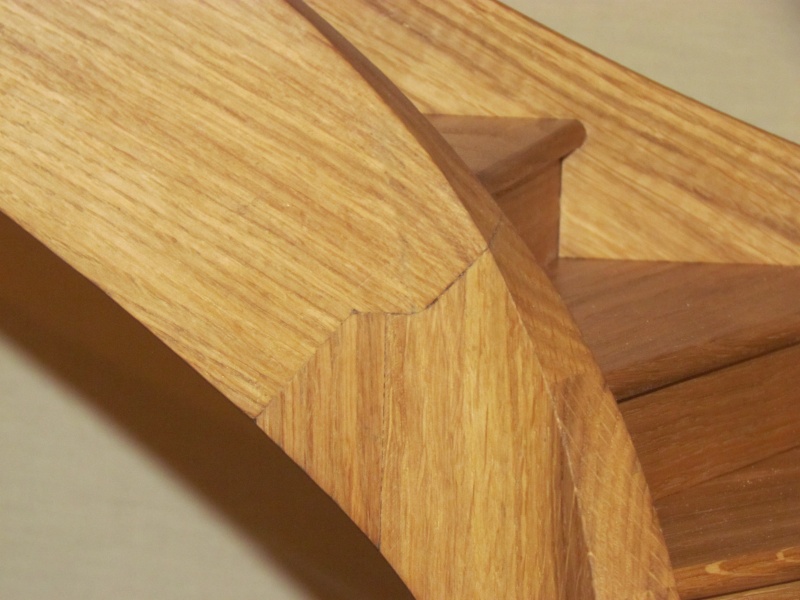
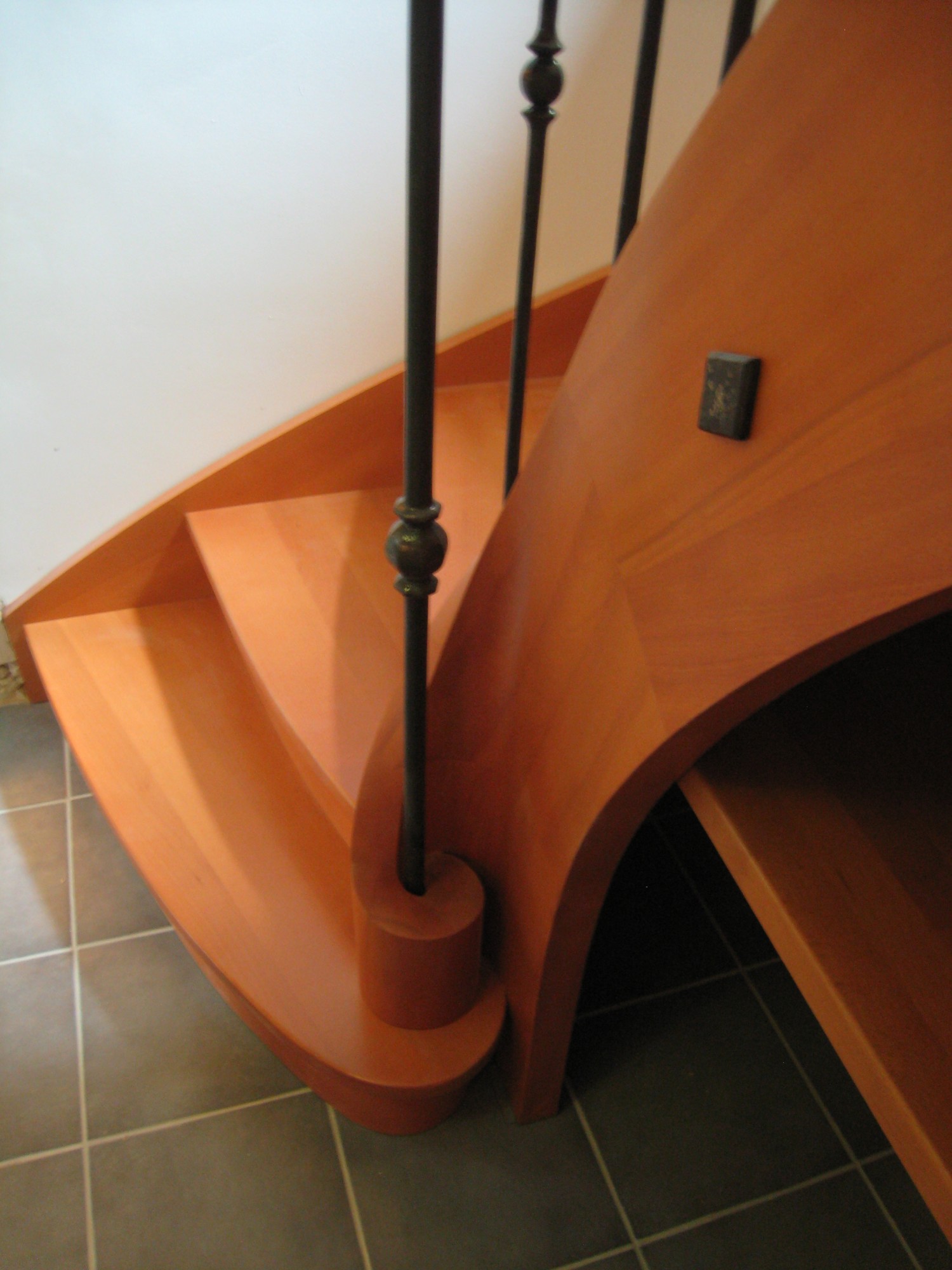
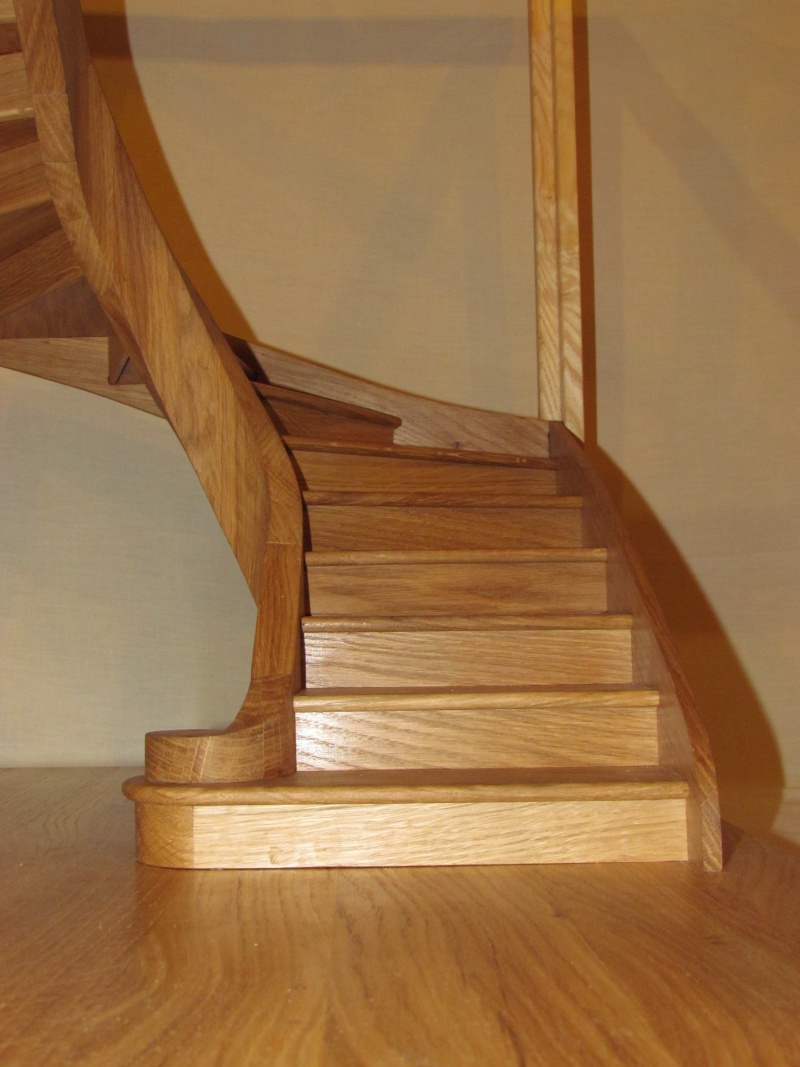
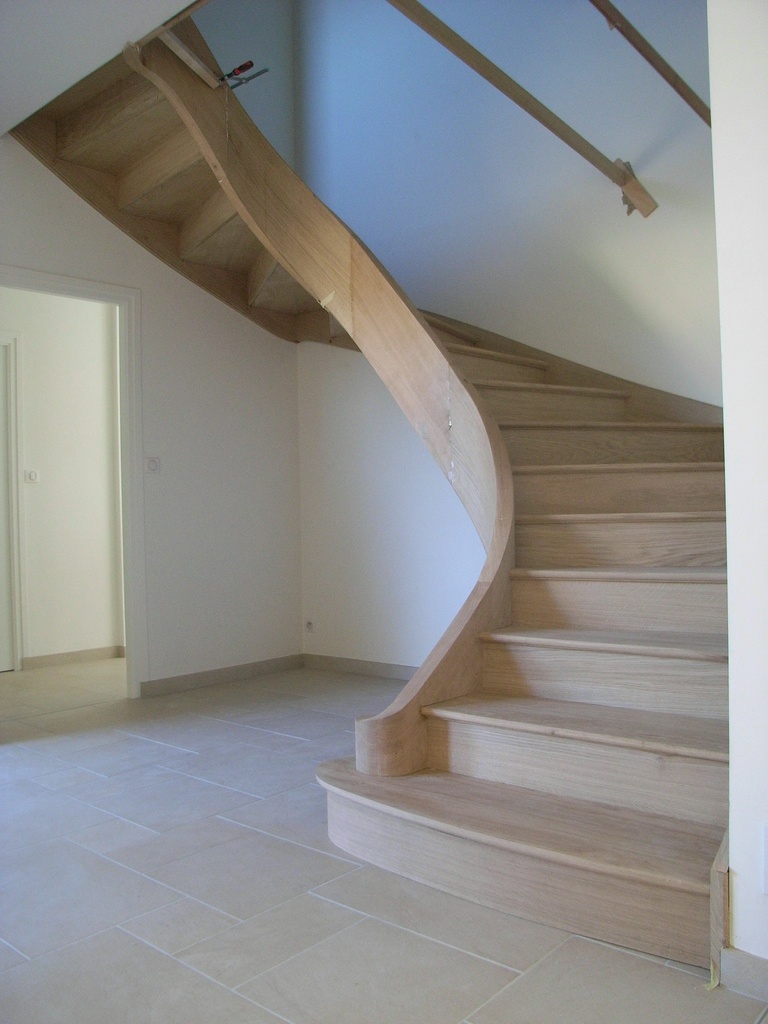
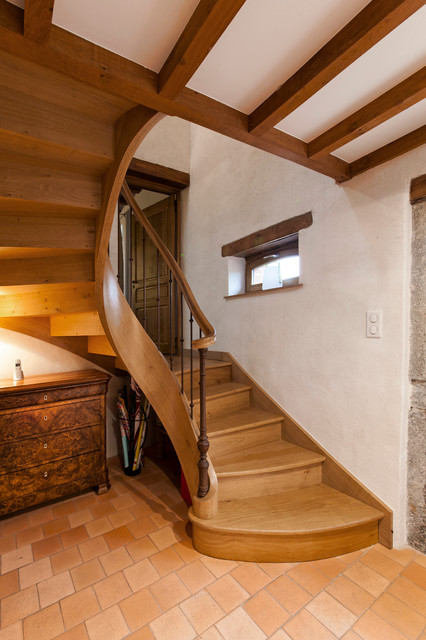
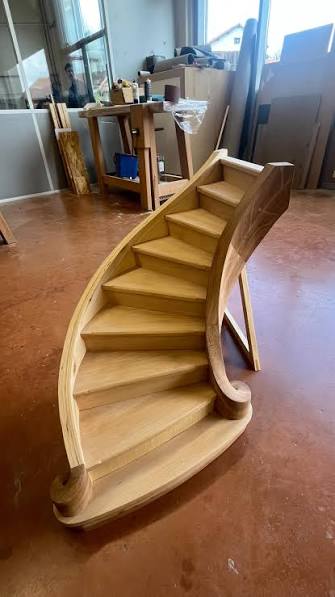
In this hands-on workshop, you will demystify post-less stair design by building the most demanding element of a geometrical staircase: the carved-newel stringer foot (limon à noyaux débillardés). You will learn how a horizontal plan-view spiral (volute de limon) transitions through a rising 3D easement (crosse de limon) and sweeps upward into an inclined helical carriage (limon débillardé) over a rounded starting step (marche de départ).
Instead of modern steam-bent laminations, you will execute this classic transition using traditional solid wood pitch blocks. You will master the stereotomy required to plot the 3D twist, carve the compound easement (débillardement), and lock the assemblies together using traditional bolted hooked joints (coupes à crochet boulonnées)—the same class of concealed, high tensile joinery that gives free standing helical stairs their astounding strength.
What you’ll learn:
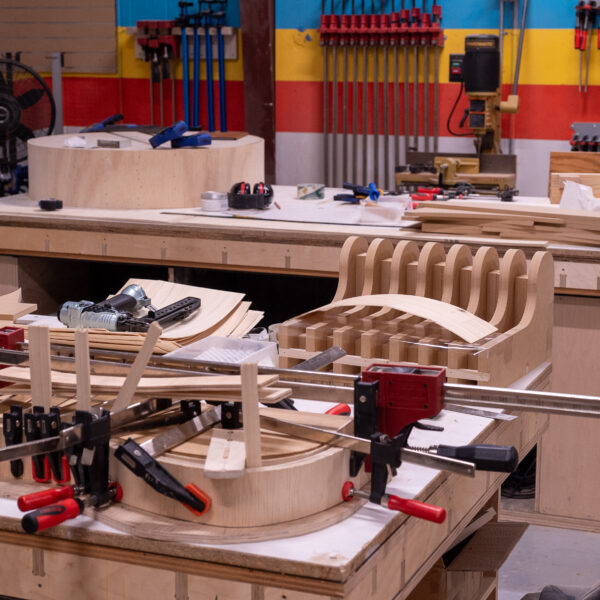
We will be building scale models in this, not a full sized staircase. Please see photos for a better idea of what you will be taking home. If you have any questions about the project please reach out before registering.
What you’ll need:
You can bring these tools or you can borrow the school’s limited supply. If you have any questions about required tools please reach out beforehand.
Students may also find the following optional tools useful:
Austin School of Furniture has the right to cancel this class at anytime if the minimum amount of students is not reached.
In stock
| Cookie | Duration | Description |
|---|---|---|
| cookielawinfo-checbox-analytics | 11 months | This cookie is set by GDPR Cookie Consent plugin. The cookie is used to store the user consent for the cookies in the category "Analytics". |
| cookielawinfo-checbox-functional | 11 months | The cookie is set by GDPR cookie consent to record the user consent for the cookies in the category "Functional". |
| cookielawinfo-checbox-others | 11 months | This cookie is set by GDPR Cookie Consent plugin. The cookie is used to store the user consent for the cookies in the category "Other. |
| cookielawinfo-checkbox-necessary | 11 months | This cookie is set by GDPR Cookie Consent plugin. The cookies is used to store the user consent for the cookies in the category "Necessary". |
| cookielawinfo-checkbox-performance | 11 months | This cookie is set by GDPR Cookie Consent plugin. The cookie is used to store the user consent for the cookies in the category "Performance". |
| viewed_cookie_policy | 11 months | The cookie is set by the GDPR Cookie Consent plugin and is used to store whether or not user has consented to the use of cookies. It does not store any personal data. |